Darknet Markets 2026:
The dark web is part of the deep web but is built on darknets: overlay networks that sit on the internet but which can't be accessed without special tools or software like Tor. Tor is an anonymizing software tool that stands for The Onion Router — you can use the Tor network via Tor Browser.
| Darknet Market | Established | Total Listings | Link |
|---|---|---|---|
| TorZon Market | 2022 | 140+ | Onion Link |
| Nexus Market | 2024 | 600+ | Onion Link |
| Abacus Market | 2022 | 100+ | Onion Link |
| Ares | 2026 | 100+ | Onion Link |
| Cocorico | 2023 | 110+ | Onion Link |
Updated 2026-10-27
How a Darknet Market List Helps You Find and Use the Best Sites
A darknet market list functions as a curated directory for navigating the ecosystem of online platforms that facilitate trade. These lists aggregate operational markets, providing a centralized starting point for users seeking access. The core mechanism involves continuous monitoring and data collection to present real-time status updates, which is fundamental for locating active and reliable venues.
The operation relies on automated scripts and community feedback to track a market's uptime and accessibility. When a market goes offline or changes its primary address, the list is updated to reflect this, preventing users from encountering dead links. This dynamic updating is crucial for maintaining a functional directory in a landscape where platforms frequently appear and disappear.
Beyond simple links, these lists incorporate user-generated reviews and vendor reputation scores. This transforms the list from a static index into a comparative tool. A market's position or rating on a reputable list is often directly influenced by the consistency of its escrow service, the diversity of its product categories, and the overall feedback from its user base. Therefore, a list effectively crowdsources trust and performance metrics, enabling informed decision-making for secure transactions and interactions with established vendors.
Finding the Best Darknet Markets: Uptime and Reviews
A darknet market list ranks platforms using two primary, measurable metrics: uptime and user reviews. Uptime is a technical indicator of reliability, representing the percentage of time a market's website is accessible and operational. A high uptime percentage, often monitored through automated scripts, suggests stable server infrastructure and effective resistance against denial-of-service attacks. This operational consistency is fundamental for user access and transaction continuity.
User reviews provide qualitative data on trust and service quality. These reviews are aggregated from community feedback and typically assess:
- Vendor reliability and product quality
- Speed and discretion of shipping
- Fairness and efficiency of the escrow system
- Responsiveness of administrator support
The ranking algorithm on a list synthesizes these inputs. A market with a 99 uptime and consistently positive reviews will rank higher than one with frequent outages or negative feedback. This method allows users to quickly identify platforms that have demonstrated proven operational stability and a satisfactory track record in facilitating trade, thereby reducing risk and improving the overall shopping experience.
How Escrow Makes Darknet Trade Safe and Smooth
The escrow system is a fundamental security feature on a darknet market. It functions as a neutral third-party service that holds a buyer's cryptocurrency payment until the transaction is successfully completed. This mechanism directly builds trust between unfamiliar parties.
A reliable escrow prevents vendor exit scams, where a seller accepts payment but never dispatches the product. When funds are held in escrow, the vendor only receives them after the buyer confirms satisfactory receipt of the order. This incentivizes vendors to provide quality products and reliable shipping. Markets with a proven, automated escrow system see higher user satisfaction and more consistent trade volume.
To assess an escrow system's reliability, examine its release mechanisms. A robust system offers:
- Finalize Early (FE) status as a vendor privilege: Trusted vendors with a long history of positive feedback may be granted FE status, allowing them to receive funds immediately. Buyers should review a vendor's reputation score and transaction history before agreeing to FE.
- Clear dispute resolution protocols: If a package is not received or the product is not as described, the system should allow the buyer to open a dispute. The market's moderators then review evidence from both parties before adjudicating the release of escrow funds.
- Transparency and automation: The escrow process should be automatic, with clear timers and status updates, minimizing human error or bias.
Markets that frequently experience unresolved disputes or allegations of admin exit scamswhere the market operators themselves steal from the escrow walletquickly lose their ranking on a darknet market list. Therefore, a market's sustained high position is often correlated with a dependable escrow service that protects both buyers and reputable vendors.
How Product Choice and Seller Ratings Make Shopping Safer
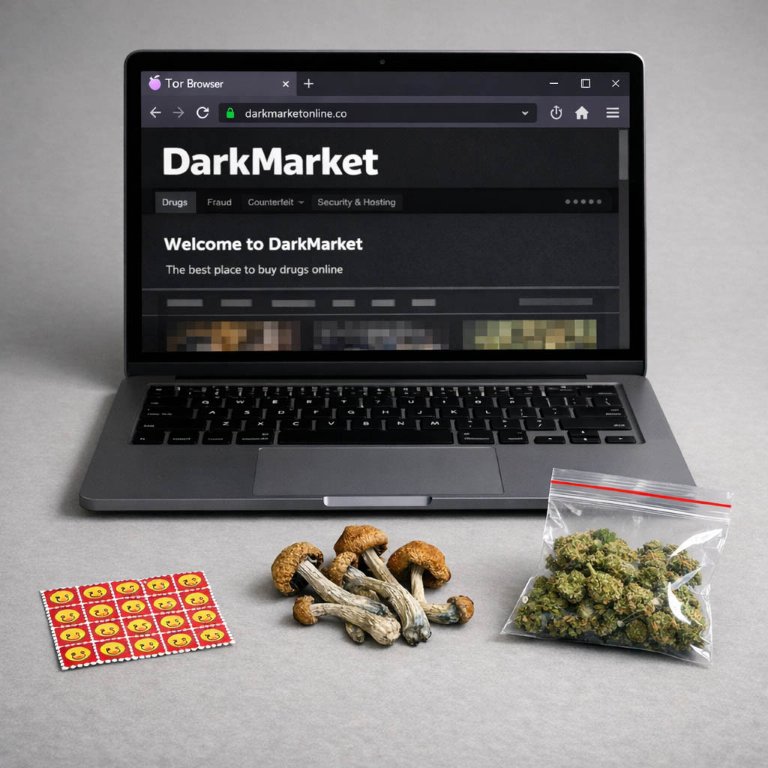
The product variety on a darknet market list is a primary indicator of a platform's utility. A comprehensive list catalogs markets offering a wide spectrum of goods, from digital products and services to pharmaceuticals and psychoactive substances. This diversity ensures consumers can find specific items that meet their requirements, making the list a functional directory rather than a simple ranking.
Within each listed market, vendor reputation scores function as the core mechanism for establishing trust. These scores are generated from transactional feedback, similar to conventional e-commerce platforms. A high score, typically displayed as a percentage or star rating, reflects consistent positive reviews regarding product quality, accurate weight, discreet packaging, and reliable shipping. Markets with robust review systems are prominently featured on reliable lists, as they directly reduce transactional risk for the buyer.
The analysis connects these two elements: a market with high variety but poorly enforced reputation systems is less reliable. Therefore, a proficient darknet market list evaluates both metrics in tandem. It highlights platforms where diverse product offerings are matched by transparent and verifiable vendor histories. This allows for informed selection, where one can choose a specialist vendor with a perfect rating for a niche item or a generalist with a long-standing record for more common goods.
Popular Cryptocurrencies for Shopping on the Darknet
The choice of cryptocurrency on a darknet market directly influences transaction anonymity, speed, and cost. While Bitcoin (BTC) remains universally accepted, its pseudonymous nature and slower, more expensive transactions have led markets to adopt alternatives. Monero (XMR) is now the preferred standard for private shopping due to its opaque blockchain, which conceals transaction amounts and participant addresses.
Markets typically list accepted currencies on their payment page. A reliable darknet market list will specify this information, allowing you to filter or select platforms that support your preferred asset. Common options include:
- Monero (XMR) - Prioritized for enhanced privacy.
- Bitcoin (BTC) - Widely accepted but less private.
- Litecoin (LTC) - Often used for faster, cheaper transactions than Bitcoin.
Using Monero or similar privacy coins adds a significant layer of security for both buyer and vendor, reducing external scrutiny. The transaction fee structure also varies; Bitcoin network fees can be high during congestion, while alternatives like Litecoin or Bitcoin Cash (BCH) usually offer lower costs. Checking a market's supported currencies before engaging ensures your payment method aligns with the platform's operational framework and your personal security requirements.

How Lists Track New Darknets and Shutdowns
The darknet ecosystem is dynamic, with new markets appearing and established ones closing regularly. A current darknet market list functions as a live directory by employing automated monitoring and community feedback. Automated scripts frequently check the uptime and accessibility of known market URLs, logging any prolonged outages that may indicate a scam exit or a law enforcement takedown.
Community reports are equally critical. Users and vendors post on forums and review sites when they encounter access issues or when a new platform gains traction. List curators aggregate this data to update statuses promptly. When a market closes, it is marked as offline or scam and moved to an archive section, while verified new markets are added with initial data points.
The process for adding a new market involves verification of its operational claims. List administrators will:
- Test the advertised escrow system with small transactions.
- Analyze the vendor registration process for security.
- Monitor initial user reviews for consistency.
This continuous cycle of monitoring, verification, and user-driven reporting ensures the list reflects the real-time state of the darknet, allowing users to navigate towards active platforms and avoid those that have ceased operations or are conducting scams.
How a Dread Pirate Roberts-style Market List Makes Buying Drugs Safer and Easier
A darknet market list functions as a specialized directory, transforming the search for a reliable platform into a structured process. It provides a consolidated view of active markets, allowing for efficient comparison based on critical operational metrics. The primary utility lies in filtering markets by uptime percentage and user review scores, which are direct indicators of stability and community satisfaction. A market with a 99 uptime over six months presents a lower risk of funds being lost during transactions compared to one with frequent outages.
For securing transactions, the list details each market's escrow system. A robust escrow holds payment in a third-party account until the buyer confirms receipt, effectively mitigating vendor fraud. Lists often annotate which markets offer multisig escrow, a more advanced option that requires multiple cryptographic signatures to release funds, placing control directly in the hands of the buyer and vendor.
Product selection and vendor quality are assessed through aggregated data. A practical list will show:
- The breadth of product categories available.
- Average vendor reputation scores, often on a scale of 1 to 5.
- The number of completed transactions per vendor.
This data allows for identifying markets that specialize in certain product types and vendors with long-standing, positive feedback histories. Payment information is equally practical, specifying accepted cryptocurrencies like Monero (XMR) or Bitcoin (BTC), enabling users to prepare their preferred asset.
Finally, a well-maintained list is dynamic, reflecting real-time changes such as new market launches or unexpected closures. This current information prevents navigation to defunct or compromised sites. By synthesizing these elementsuptime, escrow, vendor stats, and currencythe list becomes a direct tool for locating platforms that prioritize transactional security and vendor accountability.