Darknet Markets 2026:
The dark web is part of the deep web but is built on darknets: overlay networks that sit on the internet but which can't be accessed without special tools or software like Tor. Tor is an anonymizing software tool that stands for The Onion Router — you can use the Tor network via Tor Browser.
| Darknet Market | Established | Total Listings | Link |
|---|---|---|---|
| TorZon Market | 2022 | 140+ | Onion Link |
| Nexus Market | 2024 | 600+ | Onion Link |
| Abacus Market | 2022 | 100+ | Onion Link |
| Ares | 2026 | 100+ | Onion Link |
| Cocorico | 2023 | 110+ | Onion Link |
Updated 2026-10-27
How to find good darknet links for buying and selling
Accessing the darknet for commerce begins with identifying functional and legitimate entry points. Specialized forums and link aggregators, often referred to as darknet link directories, serve as the primary resource. These platforms are community-maintained, with users actively verifying and rating the availability of marketplaces. A link's longevity and positive user feedback are strong indicators of its reliability, reducing the risk of encountering fraudulent phishing sites designed to steal credentials or cryptocurrency.
The selection of a marketplace is a critical subsequent step. Established platforms distinguish themselves through a combination of volume, vendor diversity, and robust operational security. Key features to evaluate include:
- The implementation of a mandatory escrow system, which holds funds securely until the buyer confirms satisfactory receipt of goods.
- A comprehensive user review and rating system for both products and vendors, creating a transparent record of transaction history.
- Active forum sections where the community discusses vendor reliability, product quality, and operational security practices.
This ecosystem facilitates efficient trade by leveraging peer verification and financial safeguards. The escrow mechanism neutralizes the fundamental risk of non-delivery, while the review system allows buyers to make informed decisions based on collective experience. Vendors with established positive histories gain higher visibility and trust, creating a self-regulating commercial environment where reputation is the primary currency. The anonymity provided by the network and cryptocurrency transactions protects all parties, allowing the market to function on principles of verified trust rather than personal identification.
How Darknet Markets Make Buying and Selling Easy
The operational efficiency of darknet markets stems from a design that mirrors and refines principles from conventional e-commerce, adapted for a specific commercial environment. At the core is a centralized catalog system where vendors list products with detailed descriptions, pricing, and shipping options. This creates a searchable and comparable marketplace, eliminating the uncertainties of street-level procurement. The process is streamlined: a buyer selects a product, funds are placed in an escrow system managed by the platform, and the vendor ships the order. Upon confirmation of delivery, escrow releases the payment to the vendor.
This efficiency is reinforced by integrated feedback mechanisms. Every transaction can be rated, creating a transparent vendor reputation system. High-rated vendors with consistent positive reviews gain visibility and trust, incentivizing reliable service and product quality. Dispute resolution modules allow for mediated settlements, often favoring the buyer when evidence is provided, which enforces fair trade practices. The use of cryptocurrencies enables fast, borderless transactions, while integrated encrypted messaging facilitates direct, secure communication between parties for order specifics without leaving the platform's ecosystem.
These elements combine to create a self-regulating commercial environment. The efficiency is not merely in the transaction speed but in the systemic reduction of risk and fraud through technological and social solutions. The platform's architecture handles logistics, security, and trust management, allowing both buyers and sellers to engage in commerce with a predictable and structured framework that prioritizes transactional success and mutual satisfaction.
How Reviews Build Trust and Safety on the Darknet
User reviews form the foundational mechanism for establishing trust and reliability within darknet marketplaces. In an environment where traditional legal recourse is absent, the collective feedback of the community becomes the primary system for vendor verification and product quality assurance. A vendor's reputation, quantified through detailed reviews, directly correlates with their ability to secure future transactions.
Reviews typically contain specific, actionable data points that buyers rely on:
- The precise quality and purity of the product received versus what was advertised.
- The stealth and professionalism of the packaging and shipping process.
- The speed of delivery and the vendor's communication responsiveness.
- An assessment of the overall value for the monetary unit spent.
This transparent feedback loop creates a self-regulating ecosystem. Vendors with consistently positive reviews see their business grow, while those with negative feedback are quickly marginalized. The review system mitigates risk for the buyer by providing peer-validated information, making the process of finding a reliable source for pharmaceuticals or other goods more efficient and predictable. It transforms individual transactions into a collective knowledge base, reducing uncertainty and fostering a stable commercial environment.

How Escrow Makes Buying on the Darknet Safe and Easy
The escrow system is a fundamental component that enables secure commerce on darknet markets. It functions as a neutral third-party service, holding the buyer's cryptocurrency payment in a secure account until the transaction terms are fulfilled. This mechanism directly addresses the inherent trust deficit in anonymous environments, creating a framework for enforceable agreements between parties who have no prior relationship.
Operationally, the process is streamlined for user efficiency. A buyer selects a product and submits payment, which is immediately placed into the market's escrow wallet. The vendor is then notified to ship the product. Only after the buyer receives the order and confirms its satisfactory condition is the funds release authorized. This system incentivizes honest behavior from both sides: vendors are assured of payment for shipped goods, and buyers are protected from scams where no product is sent. The release of funds is contingent upon the buyer's final approval, which is typically tied to a timer; if no dispute is filed, funds are automatically released to the vendor after a set period, ensuring cash flow for reliable sellers.
The presence of a robust escrow service elevates a platform's reputation, as it minimizes financial risk. Markets that enforce mandatory escrow for new or unverified vendors see a significant reduction in successful fraud attempts. For high-value transactions, the use of escrow is non-negotiable for experienced users. It transforms the darknet marketplace from a mere listing board into a functional commercial ecosystem with built-in consumer protection. The system's effectiveness is further validated by user reviews, where transactions completed smoothly via escrow contribute to a vendor's trust score, creating a positive feedback loop of verified reliability and secure trading.
How Anonymity Makes Drug Trade Safer on the Darknet
Anonymity is the foundational layer of security on darknet markets, enabling a secure commercial environment by separating a user's physical identity from their transactional activity. This separation is achieved through the combined use of Tor (The Onion Router) and cryptocurrencies. Tor encrypts and routes a user's connection through multiple volunteer-operated servers, obscuring their IP address and location. When paired with cryptocurrency transactions, which do not require the disclosure of personal banking details, it creates a robust pseudonymous framework. This technical infrastructure directly facilitates the primary function of these platforms: the safe facilitation of trade in goods where discretion is paramount.
The practical benefits of this anonymity are multi-faceted. For the buyer, it allows for the private procurement of substances for personal use without fear of social stigma or personal exposure. This can be seen as a form of harm reduction, as it provides access to a market where product quality and safety can be communally vetted through review systems, away from the potentially more dangerous unregulated street trade. For the vendor, anonymity protects their operational security, allowing them to conduct business and build a trusted vendor reputation based solely on their transactional history and customer feedback, rather than on territorial control or coercion.
This environment fosters a self-regulating ecosystem where trust is built through demonstrated reliability, not through identity. The mechanisms that reinforce this are:
- Escrow protection, which holds funds securely until the buyer confirms receipt, preventing scams.
- Detailed buyer reviews, which provide transparent peer assessment of product quality and vendor behavior.
- Peer verification and forum discussions, which allow the community to collectively identify and ostracize bad actors.
Consequently, anonymity does not create lawlessness but shifts the basis of market regulation from external enforcement to internal, reputation-based incentives. It empowers users to engage in commerce with a significantly reduced risk of personal compromise, making the entire system more efficient and secure for all participating parties.
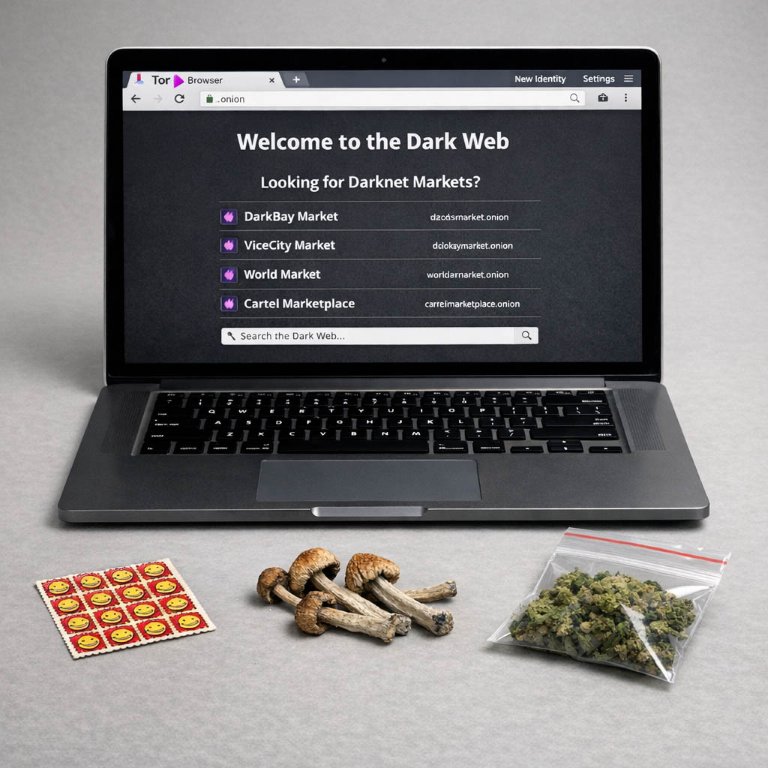
How User Reviews Build Trust in Darknet Trade
Peer verification is the foundational mechanism that allows darknet markets to function as self-regulating commercial environments. This system replaces external oversight with a distributed network of user accountability. When a new vendor attempts to establish a presence, their legitimacy is not granted by a central authority but is instead built incrementally through transactional history and community feedback.
The process typically involves multiple stages. A new vendor often starts with smaller listings to build a reputation. Successful completion of these orders generates positive buyer reviews, which serve as public, cryptographically signed endorsements. Other users assess this growing profile, considering factors like:
- Consistency in product quality as described.
- Reliability and speed of shipping.
- Professionalism in communication.
- Proper use of the platform's escrow system to finalize deals.
This collective scrutiny creates a robust barrier against fraud. A vendor with a long history of positive feedback is perceived as a reliable partner, as faking a consistent reputation over hundreds of transactions is economically and logistically impractical. Conversely, a user attempting to scam others is quickly identified through negative reviews and reports, leading to loss of business and banning from the forum or marketplace. This organic form of quality control ensures that the most efficient and trustworthy vendors rise to prominence, directly enhancing the safety and predictability of the ecosystem for all participants engaged in trade.
How Darknet Markets Self-Regulate for Safer Trade
The decentralized structure of darknet markets fosters a unique and effective self-regulating commercial environment. This system operates on principles of mutual interest, where the collective actions of buyers and vendors establish norms and enforce standards more efficiently than any external authority could. The mechanism is driven by transparent feedback and reputation.
Every transaction contributes to a vendor's public rating, creating a powerful incentive for consistent reliability and product quality. A vendor with a long history of positive buyer reviews gains significant trust and, consequently, more business. Conversely, a pattern of negative feedback or unresolved disputes quickly marginalizes a seller, as the community directs its business elsewhere. This organic peer verification acts as a continuous audit, filtering out bad actors.
The widespread adoption of escrow protection institutionalizes this trust. Funds are held by the market's system until the buyer confirms satisfactory receipt of the goods. This neutralizes the fundamental risk of remote anonymous trade, preventing scams and ensuring that both parties fulfill their obligations. It transforms a potentially risky exchange into a secure transaction.
This environment directly benefits the consumer seeking safe anonymous shopping. The combined effect of reputation systems and financial safeguards creates a predictable and orderly marketplace. Users can make informed decisions based on empirical data from previous transactions, reducing uncertainty. The efficiency gained through this self-regulation allows these platforms to support a robust secure drug trade, providing access to a variety of substances with a level of safety and consistency previously unattainable in unregulated street markets. The ecosystem polices itself through the rational economic behavior of its participants, prioritizing security and satisfaction to sustain commercial activity.
How Darknet Markets Make Drug Trade Safe and Efficient
The specialized trade ecosystem on the darknet operates on principles of efficiency and security, creating a self-sustaining commercial environment. Access begins with finding the correct darknet links to established markets, which function as the primary hubs for anonymous shopping. These platforms are designed to facilitate secure transactions, particularly in niches like the drug trade, by integrating systems that reduce risk and build user confidence.
A market's reliability is directly assessed through buyer reviews. This system of peer feedback allows for continuous vendor evaluation, where consistent positive reviews signal a reliable vendor. This transparent record of past transactions is a fundamental metric for trust, enabling informed purchasing decisions without the need for external validation.
Transaction security is enforced by mandatory escrow protection. Funds are held by the market until the buyer confirms satisfactory receipt of goods, preventing common fraud scenarios. This mechanism ensures that both parties fulfill their agreed roles, with the escrow service acting as a neutral arbiter to resolve disputes based on provided evidence.
The ecosystem's stability is further reinforced by peer verification and community self-regulation. Users collectively enforce norms, often through forum discussions and shared experiences, marginalizing bad actors. This, combined with cryptographic anonymity protecting user identities, fosters a self-regulating environment where specialized trade can proceed with a predictable and structured approach to commerce.